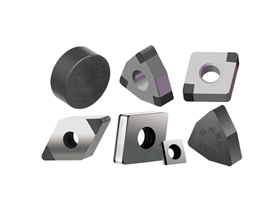
Berlt PCBN Integral Dimple Inserts: Cost Reduction and Efficiency Improvement, Replacing Traditional
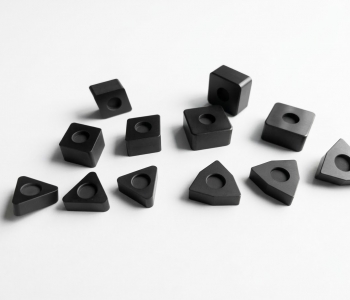
Berlt PCBN integral dimple inserts, with an integral PCBN structure and dimple location design, provide a new alternative to traditional hole-locating PCBN inserts, helping customers optimize tool costs and improve the economic efficiency of product use. >>
What to Do When CBN Inserts Life Is Unstable?
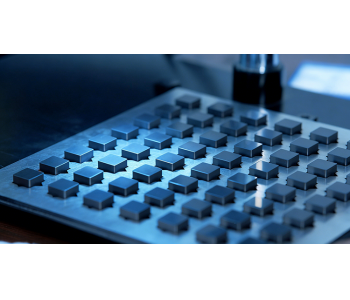
Changes in workpiece hardness, inconsistent machining allowances, variations in cutting speed, insufficient machine tool rigidity, unstable fixturing, changes in workpiece material, or even alterations in the cooling method can all cause significant fluctuations in CBN tool life. >>
Berlt Classroom | In Which Situations Is It Unsuitable to Use CBN Inserts?
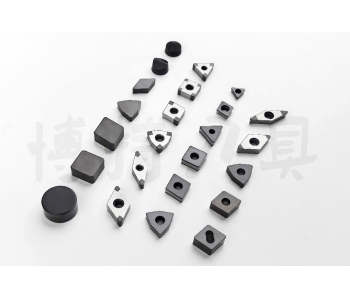
The advantages of CBN inserts are built upon specific materials and specific machining conditions. They are primarily used for difficult-to-machine materials such as hardened steel, gray cast iron, chill cast iron, and wear-resistant alloy cast iron. Moreover, for different conditions such as continuous cutting, moderate interrupted cutting, and heavy interrupted cutting, there are corresponding CBN insert grades. >>
Challenges in High-Hardness Cast Iron Machining and CBN Tool Solutions
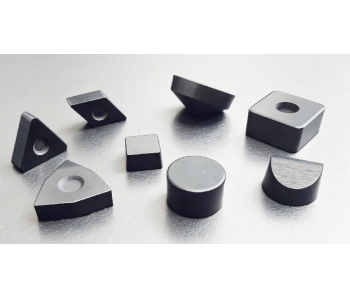
CBN (cubic boron nitride) inserts, their high hardness, high wear resistance, good high-temperature performance, and favorable chemical stability towards iron-based materials, have become an important tooling solution for high-hardness cast iron machining. Currently, Berlt CBN tools have been widely applied in high-speed machining of gray cast iron, ductile iron, sintered materials, and other cast irons. >>
Key Considerations for CBN Insert Procurement
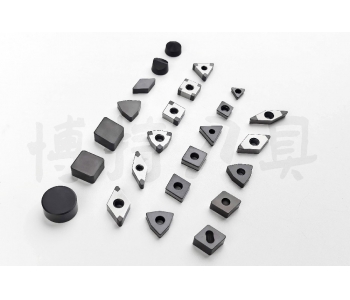
CBN inserts are not a simple standardized product, but a system-level solution whose performance is collectively determined by superhard materials, sintering processes, structural design, and application technology. >>
How CBN Micropowder Affects the Performance of PCBN Inserts
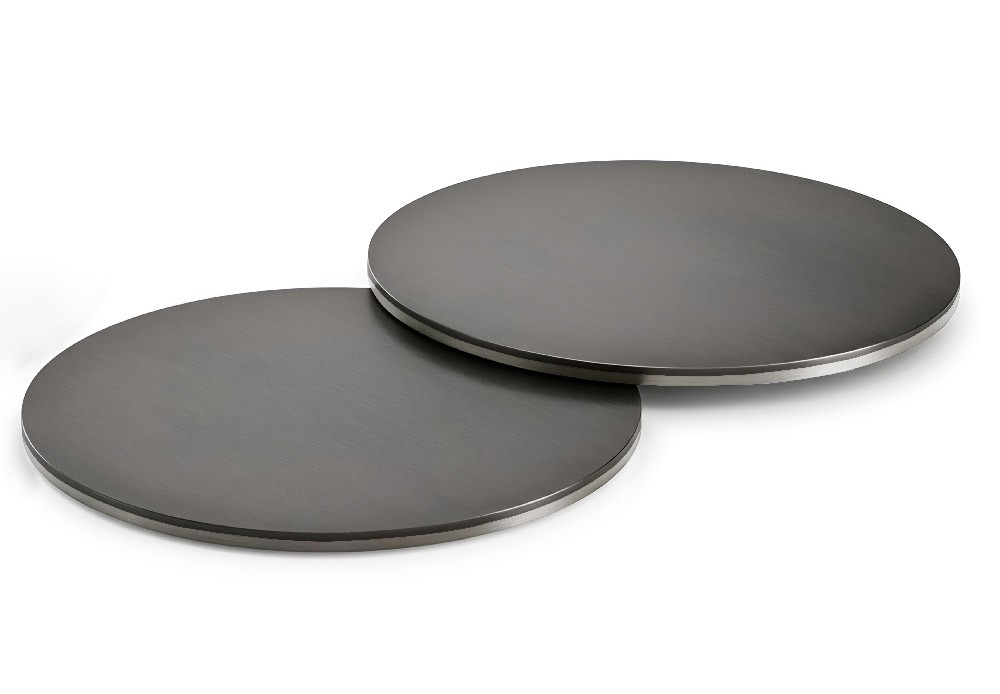
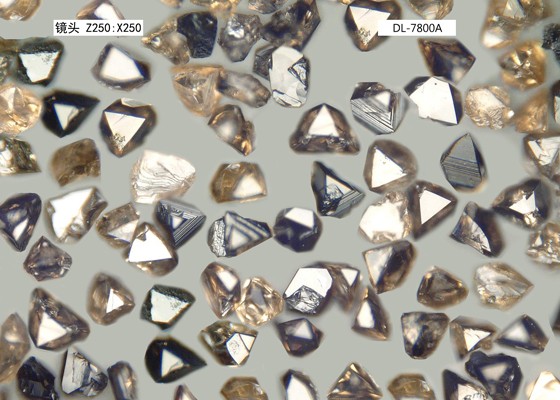
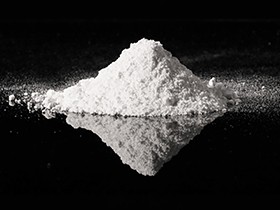
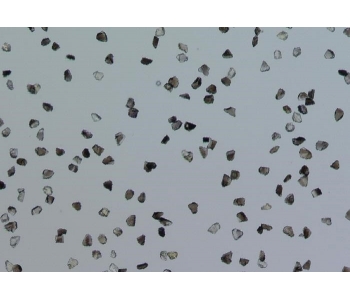
As the primary material in PCBN composites, CBN micropowder—its particle size, purity, crystal morphology, strength, and compatibility with the binder system—directly influences the insert's hardness, wear resistance, impact resistance, thermal stability, and cutting stability. >>
Unreasonable Cutting Parameters for CBN Inserts: What Problems Can They Cause?
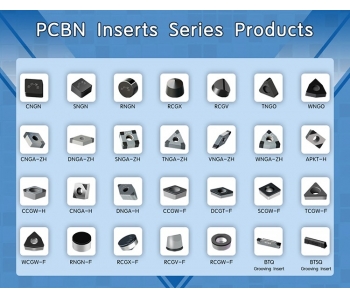
Although CBN inserts have excellent performance, they are not "indestructible." If cutting speed, feed rate, depth of cut, and other parameters exceed the tool's allowable range, not only will efficiency fail to improve, but it will also lead to reduced tool life, degraded machining quality, and even damage to the equipment and workpiece. >>
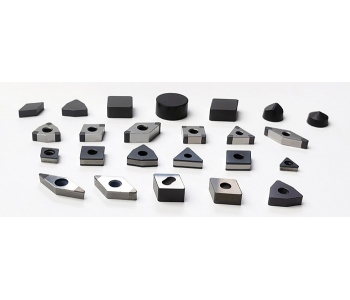
What is the Difference Between CBN Inserts and Carbide Inserts?
CBN inserts are more suitable for high-hardness ferrous metal machining, such as hardened steel, bearing steel, gray cast iron, high-chromium cast iron, and wear-resistant cast iron—materials that are difficult to machine. Under these conditions, CBN inserts typically achieve longer tool life, higher cutting efficiency, and more stable machining quality. >>
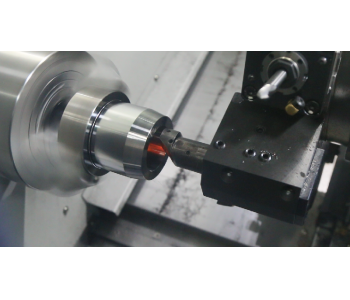
What materials are CBN inserts suitable for processing? Berlt PCBN inserts application guide
What materials are CBN inserts truly suitable for processing? Which materials can fully leverage their performance advantages? And which materials are not suitable for CBN inserts? In this article, Berlt Tools will systematically analyze the applicable scope of PCBN inserts based on material characteristics, machining conditions, and industry applications. >>
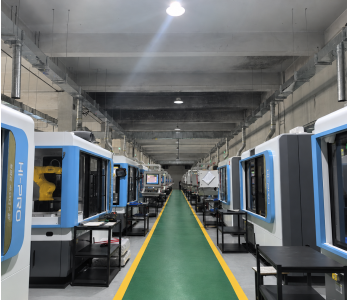
Why is the stability of CBN inserts more important than tool life?
A truly excellent CBN insert is not the one with the longest life, but the one with the most predictable life, the most consistent performance, and the lowest risk. >>
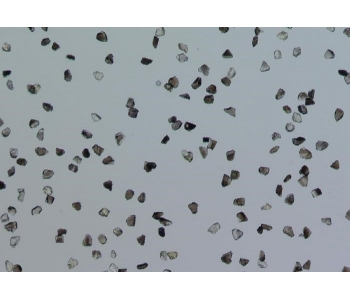
The Impact of CBN Micropowder on insert Performance
Only by continuously improving CBN micropowder quality and achieving whole-process technical optimization from powder to composite compacts can we truly produce high-performance PCBN cutting tools that combine high wear resistance, high reliability, and long service life, providing more stable and efficient cutting solutions for modern precision manufacturing. >>

Analysis of Causes and Solutions for CBN Insert Chipping
Chipping of CBN inserts has never been a simple "tool problem". It is essentially the result of the combined action of tool material, tool geometry, cutting parameters, machine rigidity, workpiece condition, and machining conditions. To achieve effective application of CBN inserts, the approach is not to "force the tool to withstand harsh conditions", but to achieve systematic matching so that the tool always operates under stable conditions. >>