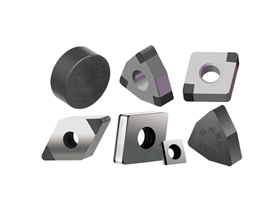
In the fields of hard turning, cast iron machining, and high-hardness material processing, CBN inserts are often regarded as a "sharp tool" for tackling difficult-to-machine materials.
However, CBN inserts are not a universal cutting tool. Although they have extremely high hardness and can, to some extent, replace cemented carbide inserts, the first issue to consider is whether your workpiece material and machining conditions are actually suitable for CBN inserts.
The advantages of CBN inserts are built upon specific materials and specific machining conditions. They are primarily used for difficult-to-machine materials such as hardened steel, gray cast iron, chill cast iron, and wear-resistant alloy cast iron. Moreover, for different conditions such as continuous cutting, moderate interrupted cutting, and heavy interrupted cutting, there are corresponding CBN insert grades.
I. Core Advantages of CBN Inserts
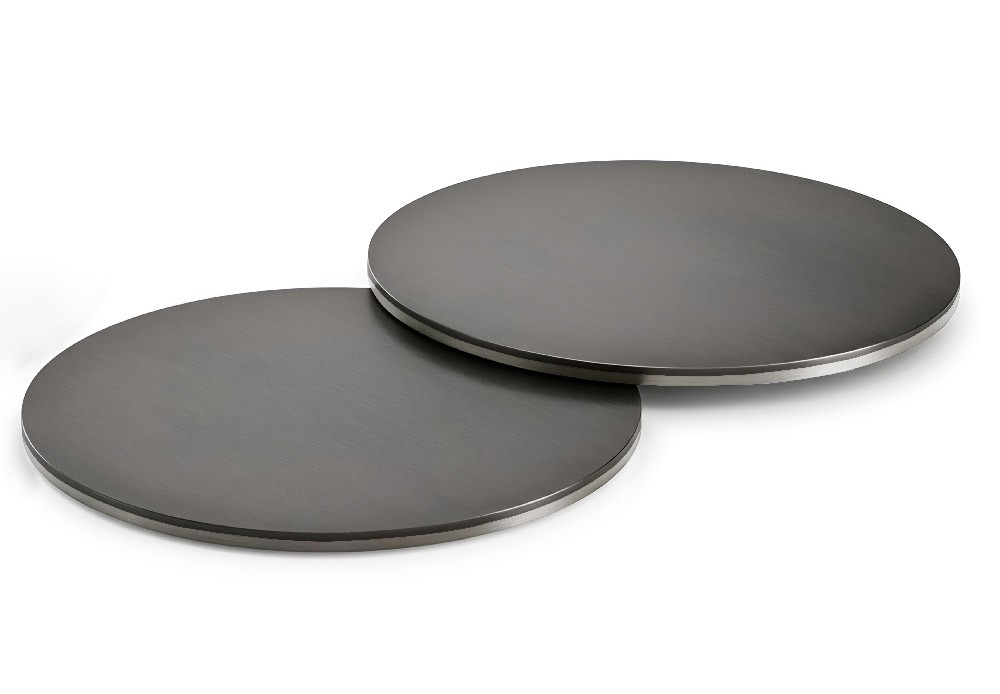
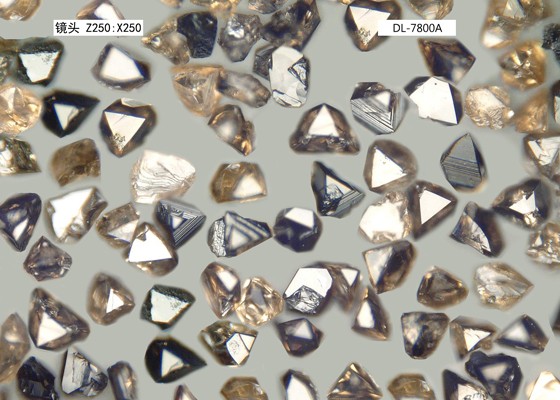
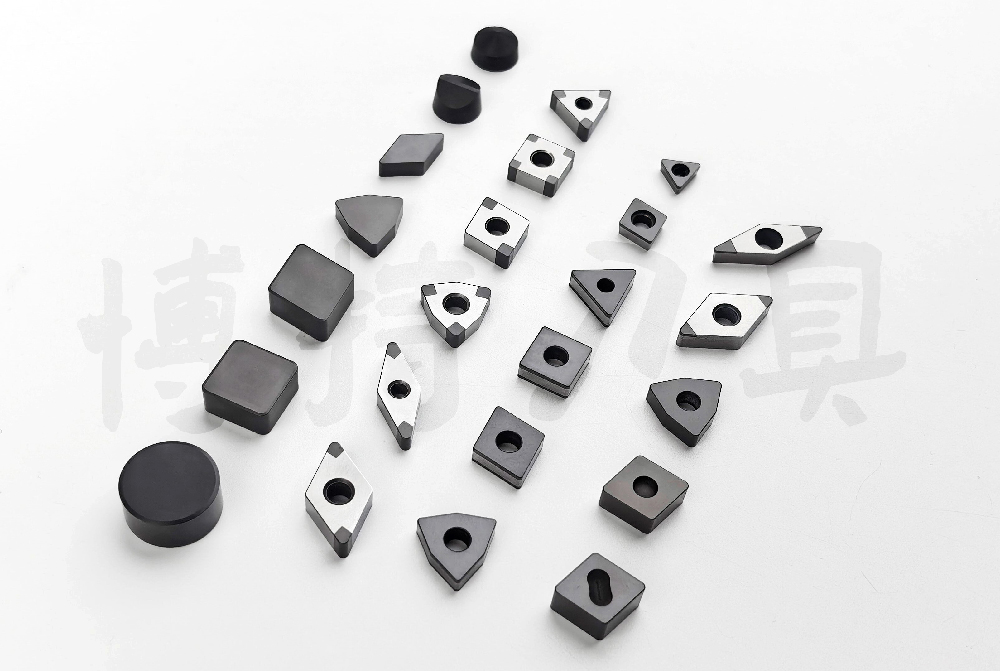
CBN, or cubic boron nitride, is a typical superhard tool material. The sintered PCBN composite material further enables the tool to adapt to different machining conditions through design aspects such as CBN content, grain size, binder system, and edge structure.
The most core advantage of CBN inserts is not simply "high hardness," but rather the ability to maintain good hardness, edge stability, and wear resistance under conditions of high hardness, strong abrasion, and high-temperature cutting.
This is why CBN is particularly suitable for hard turning. For hardened steel of 55 HRC and above, CBN can maintain the cutting edge under high cutting temperatures and cutting loads, thereby achieving long and stable tool life, as well as good dimensional accuracy and surface quality.
If the machining conditions cannot leverage the advantages of CBN at all, then using CBN is not only unnecessary but may actually increase machining costs.
II. Several Situations Unsuitable for Using CBN Inserts
1. The workpiece material is relatively soft, and there is no need to exploit CBN's advantages.
One of the greatest values of CBN tools is using their high hardness and wear resistance to handle high-hardness, difficult-to-machine materials. If the workpiece itself has low hardness and strong plasticity, then the core performance advantages of CBN are difficult to realize.
For example, ordinary low-carbon steel, mild steel, some annealed steel, and low-hardness steel are often not prioritized for CBN inserts in many cases. For such materials, issues such as adhesion, built-up edge, and plastic deformation are more likely to occur during cutting.
Non-ferrous metals such as aluminum and copper are not the application direction for CBN.
2. If the workpiece material is aluminum alloy, copper, or copper alloys—typical non-ferrous metals—then PCD or other more matching tool materials should usually be considered first.
PCD has obvious application advantages in non-ferrous metal and non-metallic material machining, while PCBN is mainly aimed at hardened steel, cast iron, and other highly wear-resistant ferrous materials.
3. There is severe impact in machining, but the appropriate CBN grade and edge are not selected.
Many people say that CBN inserts are afraid of interrupted cutting; however, this statement is not entirely accurate. Early CBN materials did have notable brittleness, and severe mechanical impact could easily cause micro-chipping or even breakage. But modern PCBN has developed multiple grades and structures for different machining conditions.
PCBN is not just one material, nor does it have only one type of edge. CBN content, grain structure, binder system, edge chamfer, and insert geometry all need to be matched according to actual working conditions.
4. Insufficient machine rigidity and severe vibration are not suitable for direct use of CBN inserts.
The high hardness and high wear resistance of CBN tools do not mean they can withstand unlimited mechanical impact. If the machine tool has insufficient rigidity, excessive tool overhang, unstable workpiece clamping, or obvious vibration in the machining system, then the advantages of CBN inserts may not be realized, and issues such as chipping, abnormal wear, and dimensional fluctuations may occur.
When using CBN for high-performance machining, it is necessary to ensure that the machine tool has adequate rigidity and power, while minimizing tool overhang as much as possible and applying appropriate edge preparation.
5. The machining accuracy and surface quality requirements do not match the condition of the CBN insert.
CBN inserts are very suitable for high-precision hard turning, but this does not mean that CBN can directly achieve the final surface quality under any circumstances.
Especially in thin-walled parts, long shaft parts, workpieces prone to deformation, and processes with large variations in stock removal, even if the CBN insert itself performs well, the stability of the entire machining system may affect the results.
III. How to Choose Between CBN Tools, Cemented Carbide, Ceramics, and PCD
Depending on the workpiece material, selecting the appropriate tool material can achieve the desired machining results. A general reference is:
· Aluminum alloys, copper alloys, and other non-ferrous metals: PCD, cemented carbide, etc.;
· Ordinary low-hardness steel and mild steel: cemented carbide, ceramics, etc.;
· Hardened steel, gray cast iron, wear-resistant alloy cast iron: CBN;
· High-temperature alloys, powder metallurgy: ceramics;
Summary: For typical applications such as hardened steel, cast iron, and highly wear-resistant ferrous materials, CBN can establish clear advantages through its high hardness, wear resistance, and high-temperature performance. For soft materials with low hardness, non-ferrous metals, or scenarios with extremely unstable machining systems, blindly using CBN will not naturally yield better machining results.