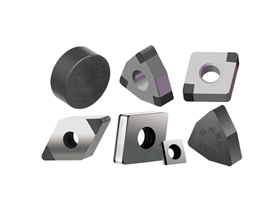
As industries such as automotive manufacturing, construction machinery, energy equipment, and steel roller production continue to advance toward high-efficiency and high-precision machining, CBN (Cubic Boron Nitride) inserts have become an essential tool for machining difficult-to-cut materials including hardened steel, gray cast iron, and high-hardness cast iron.
However, in actual procurement processes, many enterprises encounter the following issues:
·Even when both are labeled "CBN inserts," prices can vary by several times;
·When machining the same material, some inserts perform stably while others frequently experience chipping;
·With the same specification and model, different manufacturers deliver completely different machining results.
The reason lies in the fact that CBN inserts are not a simple standardized product, but a system-level solution whose performance is collectively determined by superhard materials, sintering processes, structural design, and application technology.
First: Do not focus solely on CBN content — the material system determines performance.
Many purchasers believe that "the higher the CBN content, the better the insert performance" — this is a common misconception.
CBN content does affect insert hardness and wear resistance, but insert performance is not determined by a single indicator. Instead, it is shaped by multiple factors including CBN grain size, CBN volume fraction, binder system, powder purity, sintering density, and microstructural uniformity.
Therefore, when procuring CBN inserts, greater attention should be paid to: which workpiece material this grade is designed for, what material system it adopts, and ultimately what machining results it can deliver.
Second: Do not compare unit price alone — calculate the true machining cost.
The most common issue in CBN insert procurement is falling into low-price competition.
In reality, for manufacturing enterprises, the cost per component = tool consumption cost + tool change downtime cost + machining efficiency loss cost. Focusing solely on insert price often leads to overlooking other hidden cost factors.
For Berlt CBN tools, the goal is not to offer the lowest price, but to help customers reduce overall manufacturing costs.
Third: Do not overlook the manufacturer's true production capability.
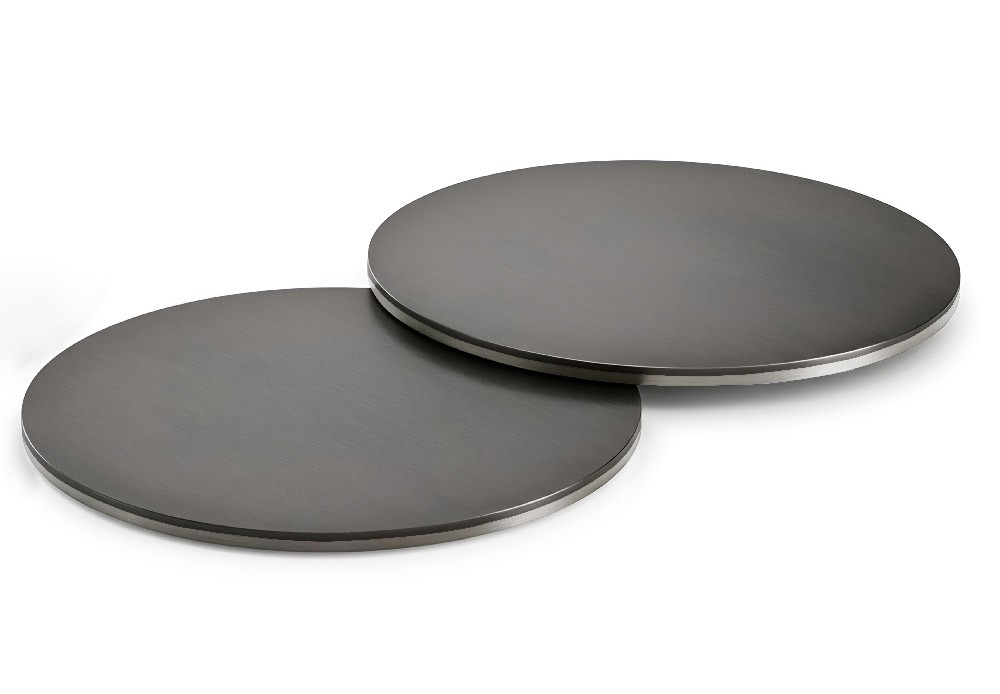
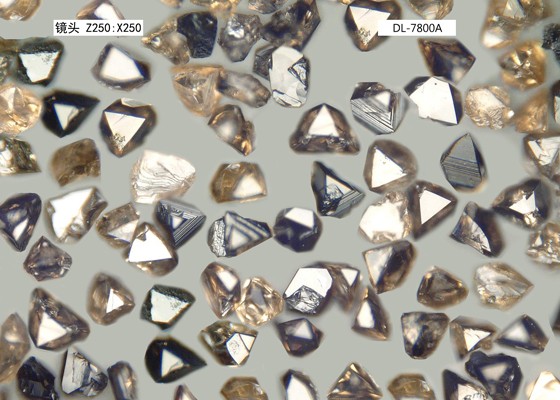
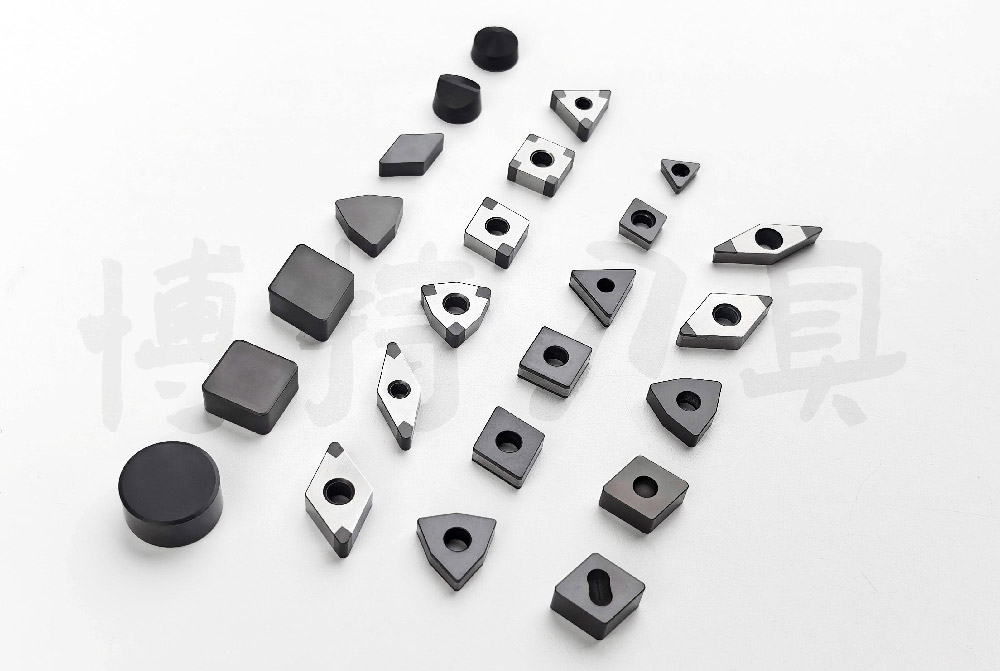
CBN inserts are high-tech products. A complete PCBN insert industrial chain includes: CBN single crystal synthesis, CBN micron powder processing, ultra-high pressure high-temperature sintering, insert precision machining, edge preparation, and application testing.
Therefore, when selecting a supplier, key evaluation points should include:
·Whether the supplier has core material capabilities: controlling the CBN material source enables better performance consistency.
·Whether the supplier possesses independent R&D capabilities: the ability to adjust material systems according to customer machining conditions.
·Whether the supplier has application case histories: a truly excellent supplier does not just sell inserts, but solves machining problems.
Fourth: Do not neglect application matching for inserts.
There is no "universal grade" of CBN inserts. Different workpiece materials and different operating conditions require different material systems.
For example:
For cast iron materials, grades such as BTS2800, BTS2900, BTS3800, and BTS3100 are suitable;
For hardened steel materials, grades such as BTS6000, BTS6000A, and BTS6500 are suitable.
Discussing insert performance without reference to the application has no practical significance. Therefore, before procuring CBN inserts, the following should be clarified: workpiece material, hardness, machine rigidity, cutting parameters, and machining objectives.
Fifth: Beware of suppliers that "only provide products, not technical services."
CBN inserts are not ordinary consumables. Many machining failures are not due to poor insert quality, but rather:
·Improper cutting parameters;
·Mismatched edge preparation;
·Incorrect material grade selection;
·Inappropriate cooling method;
·Insufficient machine tool rigidity.
Therefore, a professional supplier should provide technical services including: material analysis, insert selection, parameter optimization, on-site testing, and problem-solving — ultimately helping customers resolve machining challenges.