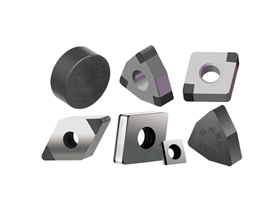
In the field of modern high-speed, high-precision, and high-efficiency machining, PCBN (Polycrystalline Cubic Boron Nitride) inserts have become an essential tool for machining difficult-to-cut materials such as hardened steel, high-hardness cast iron, and gray cast iron.
As the primary material in PCBN composites, CBN micropowder—its particle size, purity, crystal morphology, strength, and compatibility with the binder system—directly influences the insert's hardness, wear resistance, impact resistance, thermal stability, and cutting stability.
The quality of CBN micropowder is the material foundation that determines the performance of PCBN inserts.
I. What is CBN Micropowder?
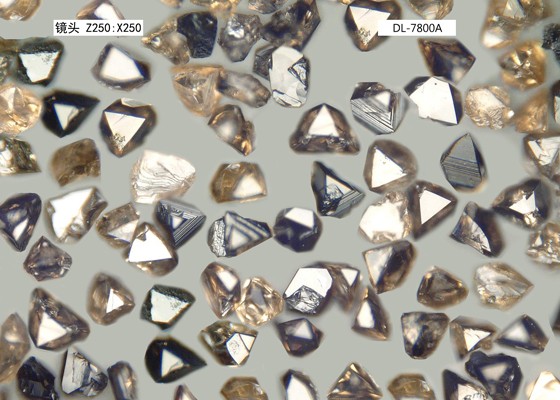
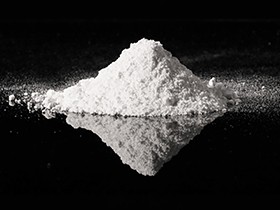
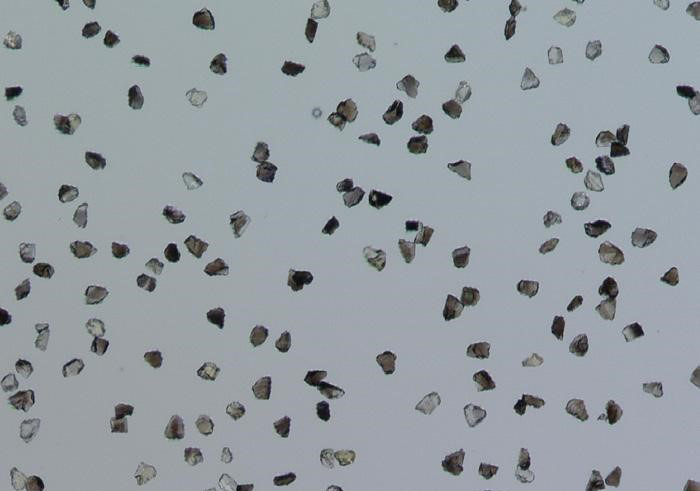
CBN micropowder, namely cubic boron nitride micropowder, is a powder formed from CBN single crystals through a series of processes including crushing, shaping, classification, and purification.
In the manufacturing process of PCBN inserts, CBN micropowder is not simply used as a "filler material" but bears the primary cutting function. During the cutting process of the insert: CBN particles → withstand cutting pressure → resist wear → maintain a sharp cutting edge.
Therefore, the more stable the performance of CBN micropowder, the more reliable the machining performance of PCBN inserts.
II. CBN Micropowder Particle Size Directly Affects Tool Performance
The particle size of CBN micropowder is an important parameter affecting the performance of PCBN inserts. Different particle sizes of CBN grains will form different microstructures.
For example, coarse CBN micropowder has high single-particle strength and strong impact resistance, which can effectively improve wear resistance and machining efficiency, making it suitable for heavy roughing; fine CBN micropowder offers higher precision and a sharper cutting edge, making it more suitable for high-precision finishing.
In actual formulation, the appropriate particle size range should be selected based on the workpiece material, rather than simply pursuing a fixed standard.
III. CBN Micropowder Purity Affects Tool Stability
If CBN micropowder contains metallic impurities, oxides, amorphous structures, crystal defects, etc., it will lead to unstable bonding during sintering, localized stress concentration, and a tendency for the tool to develop micro-cracks.
Therefore, to ensure the stability of CBN tools, the purity of CBN micropowder must be guaranteed.
IV. CBN Crystal Morphology Determines Tool Impact Resistance
CBN micropowder is not simply a collection of particles; different crystal morphologies affect the bonding strength between particles, the manner of stress transmission, and the tool's resistance to chipping.
An excellent CBN crystal structure ensures that the CBN tool uniformly bears cutting loads and reduces localized stress. Therefore, in the manufacturing process of PCBN inserts, it is necessary to comprehensively consider CBN crystal morphology, particle size range, and the binder system—all three must be mutually matched to form high-performance CBN materials.
V. The Match Between CBN Micropowder and Binder Determines the Overall Performance of PCBN
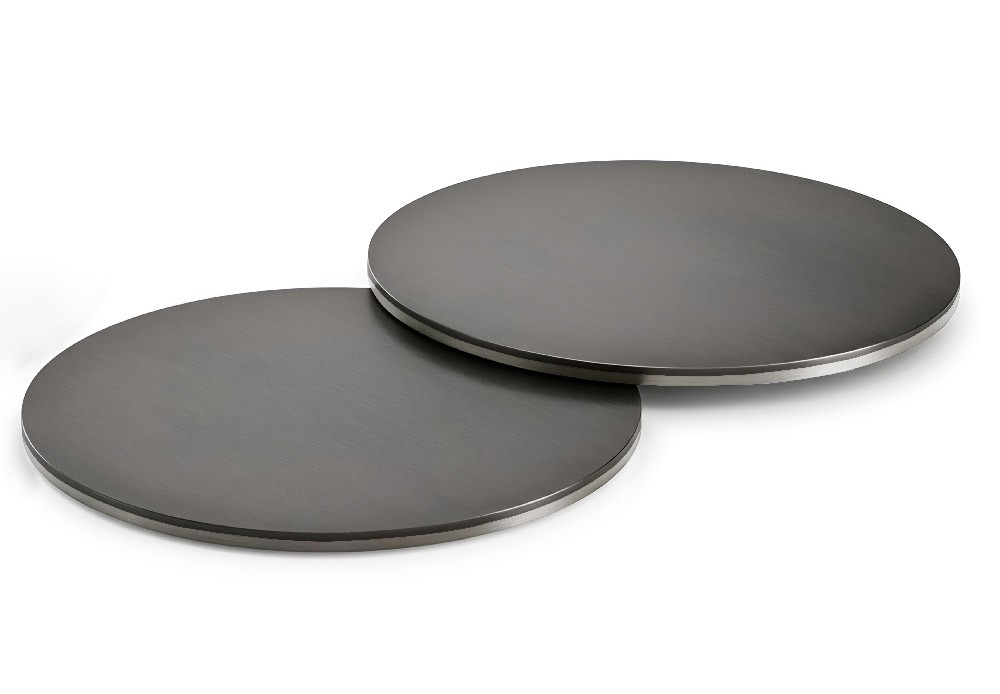
PCBN is not 100% CBN material; it is typically composed of CBN micropowder and a binder system. Among them, CBN micropowder is responsible for hardness and wear resistance, while the binder is responsible for securing the CBN particles, providing toughness, and resisting impact.
If the CBN micropowder and binder are not well matched, problems such as CBN particle pull-out, abnormal tool wear, and cutting edge chipping may occur.