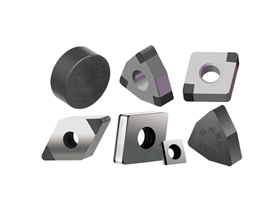
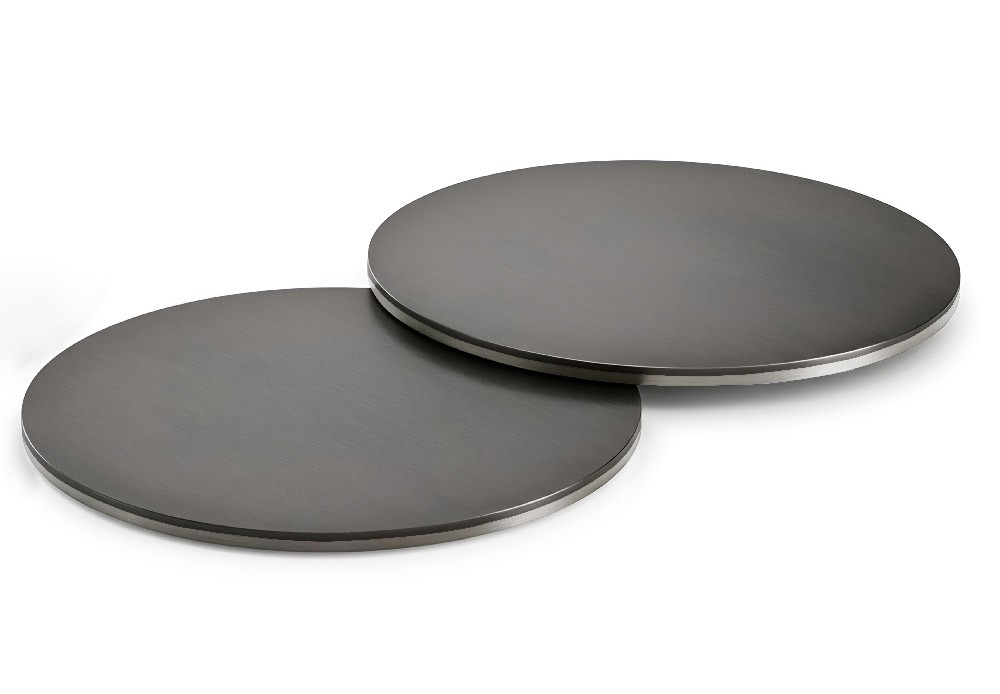
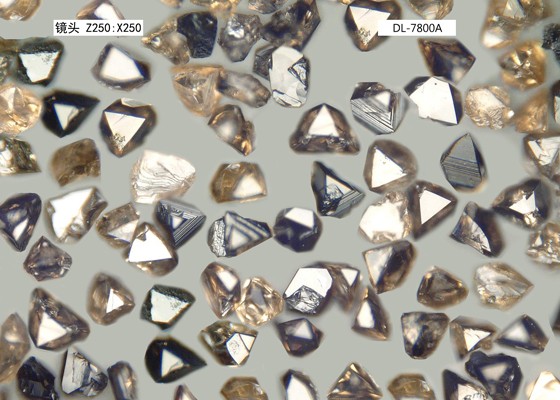
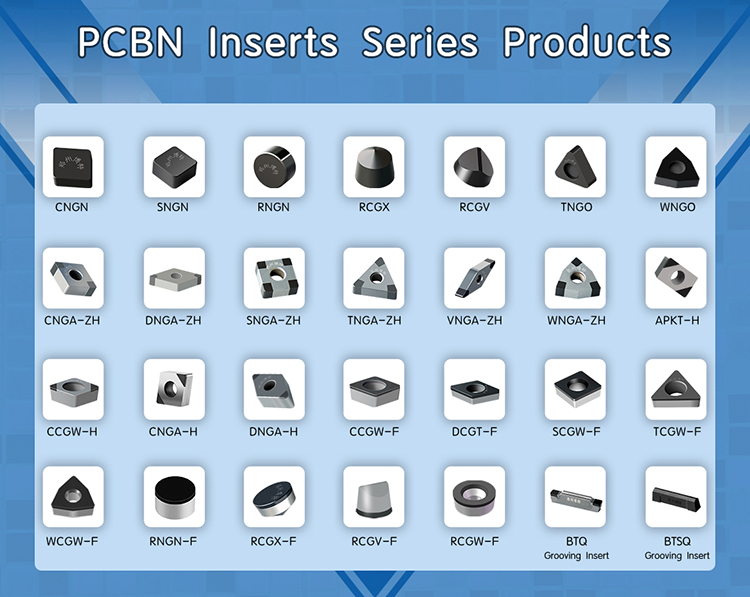
As a critical superhard tool material for machining high-hardness, high-strength difficult-to-cut materials, CBN (cubic boron nitride) inserts are widely used in the processing of hardened steel, cast iron, wear-resistant alloy cast iron, and other related applications.
Compared with conventional cemented carbide tools, CBN inserts offer higher hardness, better wear resistance, and superior high-temperature stability, enabling high-speed, high-efficiency, and dry machining.
However, in actual production, many companies have found that CBN inserts of the same brand and same model exhibit significant differences in tool life when used on different machine tools and by different operators. One of the key reasons for this discrepancy is the unreasonable setting of cutting parameters for CBN inserts.
Although CBN inserts have excellent performance, they are not "indestructible." If cutting speed, feed rate, depth of cut, and other parameters exceed the tool's allowable range, not only will efficiency fail to improve, but it will also lead to reduced tool life, degraded machining quality, and even damage to the equipment and workpiece.
I. Excessively High Cutting Speed: Increases Thermal Load on the Tool, Leading to Rapid Wear
Cutting speed is one of the most important parameters affecting the performance of CBN inserts.
Many machining companies assume that because CBN inserts have high hardness, higher cutting speeds will directly translate into higher machining efficiency. However, this understanding is not entirely correct. Although CBN inserts have excellent heat resistance, a significant amount of cutting heat is still generated during the cutting process.
When the cutting speed exceeds the reasonable range, the following issues may occur:
·Rapid temperature rise in the cutting zone
·Decreased bonding strength of CBN particles
·Accelerated tool wear rate
·Increased flank wear
·Thermal cracks at the tool nose, etc.
Therefore, high-speed machining does not mean increasing spindle speed without limit; rather, the optimal cutting speed must be determined within the range that matches the tool material, workpiece material, and machine rigidity.
II. Excessively High Feed Rate: Prone to Impact on the Tool Nose, Causing Chipping
The feed rate determines the volume of material removed per unit time.
Appropriately increasing the feed rate can improve machining efficiency, but an excessively high feed rate will significantly increase the tool load.
This is especially critical under conditions such as uneven machining allowances, interrupted cutting, hard spots on the workpiece surface, or insufficient machine rigidity. Excessive impact forces concentrated on the CBN tool nose area can easily lead to micro-chipping at the cutting edge and fluctuations in tool life.
III. Excessively Large Depth of Cut: Increases Cutting Forces and Reduces Machining Stability
The depth of cut determines the thickness of material removed in one pass.
For CBN inserts, a reasonable depth of cut provides better process stability. If the depth of cut is too large, it can result in:
·Increased cutting resistance
·Higher spindle load
·Greater tool holder vibration
·Increased impact on the insert
Especially in finishing operations, an excessive depth of cut directly affects dimensional accuracy, roundness, and surface roughness.
IV. How to Optimize Cutting Parameters for CBN Inserts
Select parameter ranges based on the workpiece material; parameters cannot be discussed in isolation from the material being machined.
Begin optimization from a stable processing state rather than pursuing extreme speeds.
Pay attention to the overall matching of the tool, machine tool, and process system.