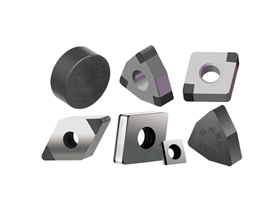
In the field of metal cutting, CBN inserts and carbide inserts are both widely used tool materials, representing two types of cutting tools designed for different workpiece materials, working conditions, and machining objectives.
Many users have similar questions when making a selection: What is the difference between CBN inserts and carbide inserts? When should CBN inserts be chosen? CBN inserts are more expensive—can they truly reduce machining costs?
In fact, tool selection should not be based solely on purchase price; more attention should be paid to machining efficiency, tool life, product consistency, and overall manufacturing cost. For enterprises, choosing the right tool material often improves overall production efficiency more than simply pursuing a lower price.
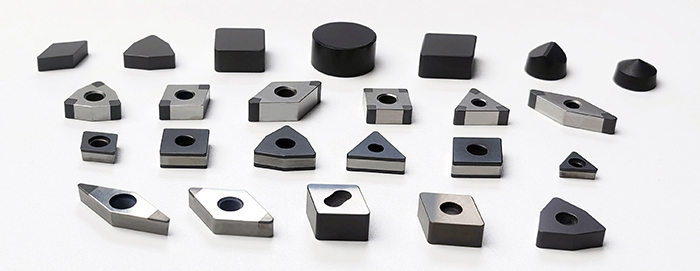
The Essential Difference Between CBN Inserts and Carbide Inserts
Carbide inserts are made primarily of tungsten carbide (WC) with metallic binders such as cobalt added and sintered together. They offer relatively high hardness, good toughness, and a wide application range. They are one of the most common tool materials in mechanical machining today and are capable of meeting the machining requirements of ordinary steel, stainless steel, aluminum alloys, copper alloys, and some cast irons.
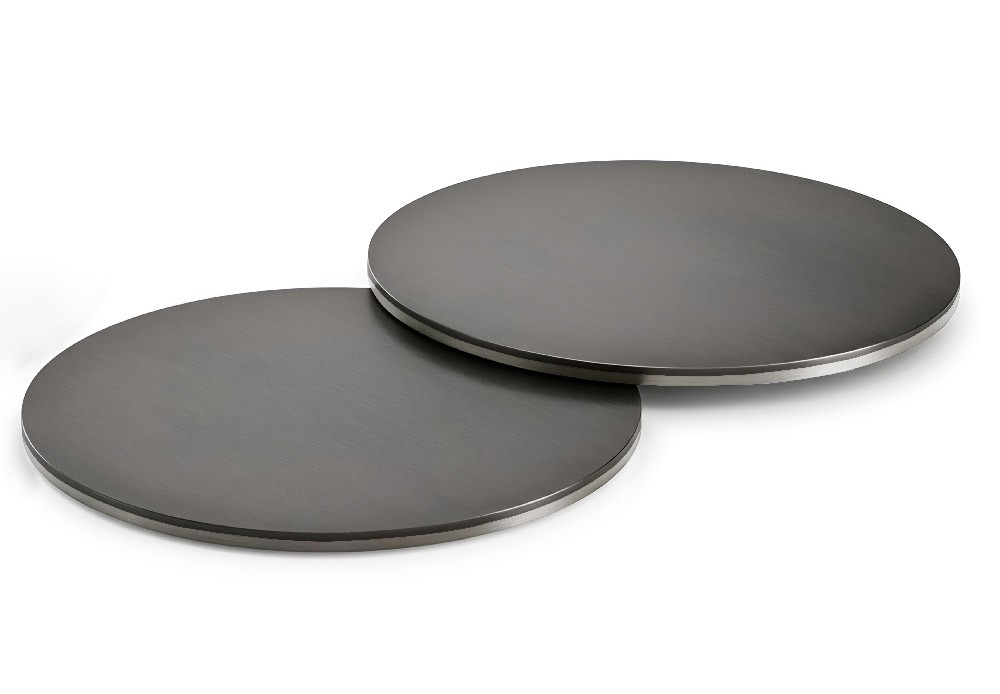
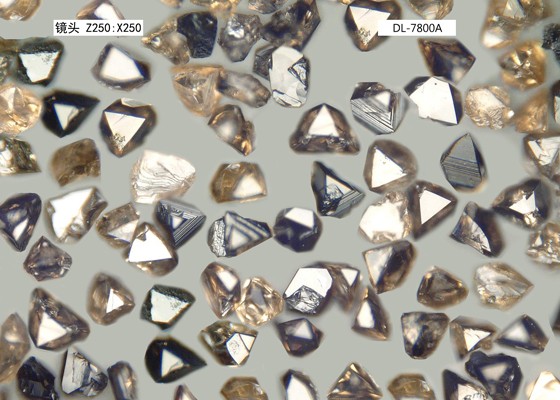
CBN (cubic boron nitride) inserts are a superhard tool material with hardness second only to diamond. They feature extremely high wear resistance, heat resistance, and chemical stability, and are particularly suitable for high-speed, high-precision machining of high-hardness ferrous metals. They show distinct advantages in the machining of hardened steel, bearing steel, gray cast iron, and high-chromium cast iron.
Performance Comparison Between CBN Inserts and Carbide Inserts
In terms of overall performance, CBN inserts are superior to carbide inserts in hardness, wear resistance, high-temperature performance, and high-speed cutting capability. Carbide inserts, however, still occupy an important position in general machining due to their better toughness, wider applicability to various materials, and lower procurement cost.
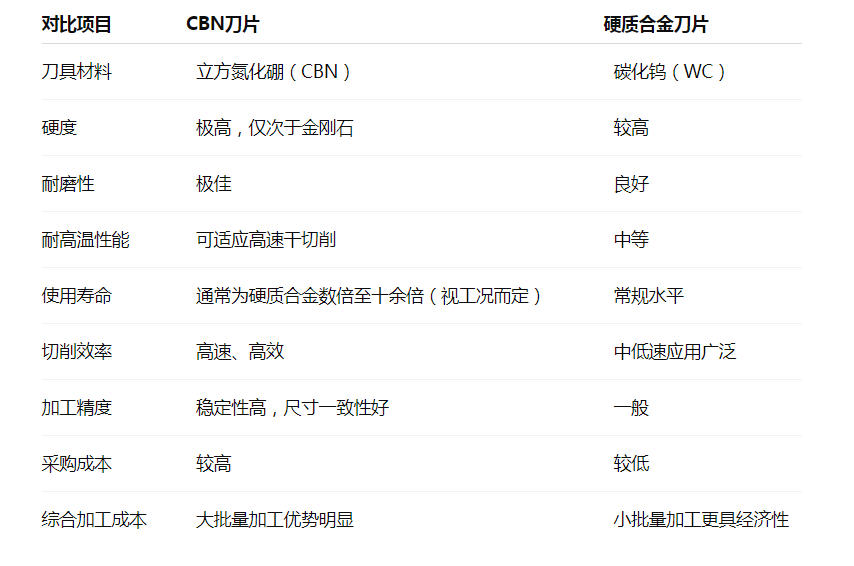
It should be noted that tool life is influenced by many factors, including workpiece material, cutting parameters, cooling method, machine rigidity, and insert grade. Therefore, it cannot be simply expressed as a fixed multiple; a comprehensive evaluation based on actual working conditions is required.
Why CBN Inserts Can Machine High-Hardness Materials
Many users believe that CBN inserts are merely "a bit harder." In reality, their advantages come from the comprehensive performance of the material itself.
First, CBN has extremely high microhardness, maintaining strong cutting capability even when machining hardened steel above HRC 58. Second, CBN inserts exhibit outstanding high-temperature resistance, keeping the cutting edge stable during high-speed cutting and avoiding rapid wear due to high temperatures. In addition, CBN has excellent chemical stability against ferrous metals, effectively reducing diffusion wear and adhesion wear, resulting in more stable tool life.
Therefore, CBN inserts can achieve "turning instead of grinding" in many scenarios, reducing grinding processes, improving machining efficiency, and lowering overall manufacturing costs.
Which Materials Are Suitable for CBN Inserts and Carbide Inserts Respectively?
Carbide inserts are suitable for most conventional machining operations, including 45# steel, alloy steel, stainless steel, aluminum alloys, copper alloys, and ordinary cast iron, making them a versatile tool choice.
CBN inserts are more suitable for high-hardness ferrous metal machining, such as hardened steel, bearing steel, gray cast iron, high-chromium cast iron, and wear-resistant cast iron—materials that are difficult to machine. Under these conditions, CBN inserts typically achieve longer tool life, higher cutting efficiency, and more stable machining quality.