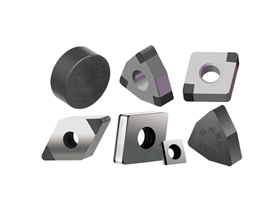
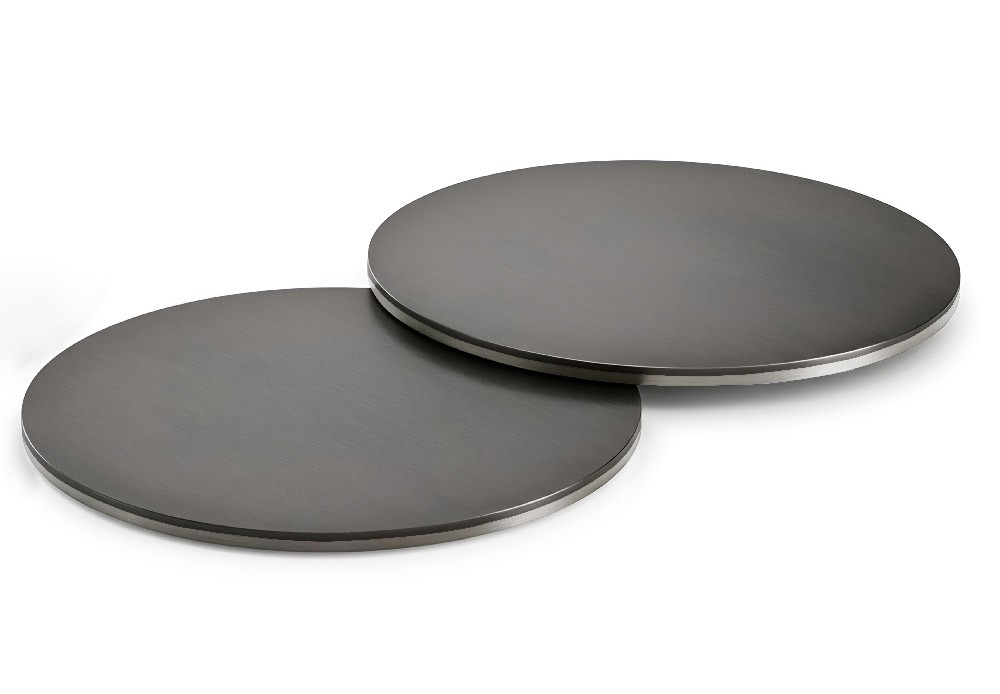
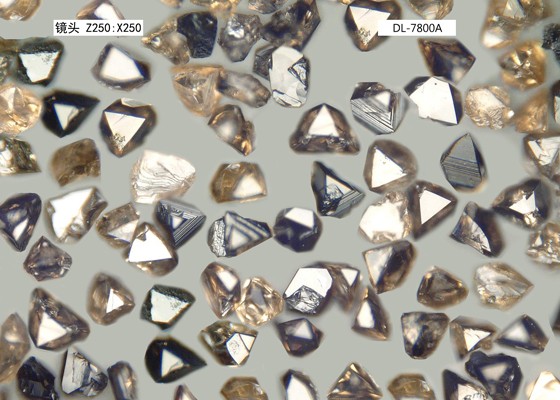
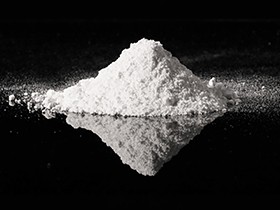
Polycrystalline Cubic Boron Nitride (PCBN) inserts are high-performance cutting tools with polycrystalline cubic boron nitride as the cutting edge material. Leveraging their ultra-high hardness, excellent thermal stability, and chemical inertness, they have become a core tool in the machining of hard steels, cast iron, and high-hardness materials.
In fields such as mechanical manufacturing, automotive industry, and aerospace, traditional cemented carbide tools often struggle with the efficient cutting of high-hardness materials like hardened steel and alloy cast iron. PCBN inserts, with their unique properties, can significantly enhance machining efficiency and quality.
Advantages of PCBN Inserts
·Ultra-High Hardness and Wear Resistance. The hardness of cubic boron nitride is second only to diamond, with a microhardness reaching 2700–5000 HV. This enables CBN inserts to withstand extremely high pressure during cutting without plastic deformation, greatly enhancing tool wear resistance. In contrast, traditional cemented carbide tools have a hardness of only about 800–1000 HV, making them unsuitable for machining hard materials. The high hardness of CBN inserts significantly reduces wear rate and extends tool life when cutting hard, brittle materials such as hardened steel and chilled cast iron.
·Excellent Thermal Stability. CBN material exhibits excellent thermal stability. Its thermal conductivity and thermal expansion coefficient are similar to those of diamond, allowing it to maintain high hardness and chemical stability at elevated temperatures. CBN tools can withstand temperatures up to 1200–1300°C, significantly higher than cemented carbide tools (approximately 800°C). This characteristic allows PCBN inserts to withstand high temperatures during high-speed cutting without softening, thereby avoiding tool wear and workpiece surface burns commonly associated with traditional tools due to overheating.
·Chemical Inertness Towards Ferrous Materials. Due to the chemical inertness of CBN towards ferrous metals, PCBN inserts offer unique advantages when machining iron-based materials. CBN tools do not exhibit the significant adhesion and diffusion seen with cemented carbide tools when cutting iron-based materials, thus avoiding tool wear and workpiece surface burns. Furthermore, CBN material has low affinity for iron-based materials, resulting in virtually no diffusion wear during the machining process, contributing to longer tool life. This low affinity also means CBN tools can operate at higher cutting temperatures without rapid failure, allowing for the use of higher cutting parameters and improved machining efficiency.
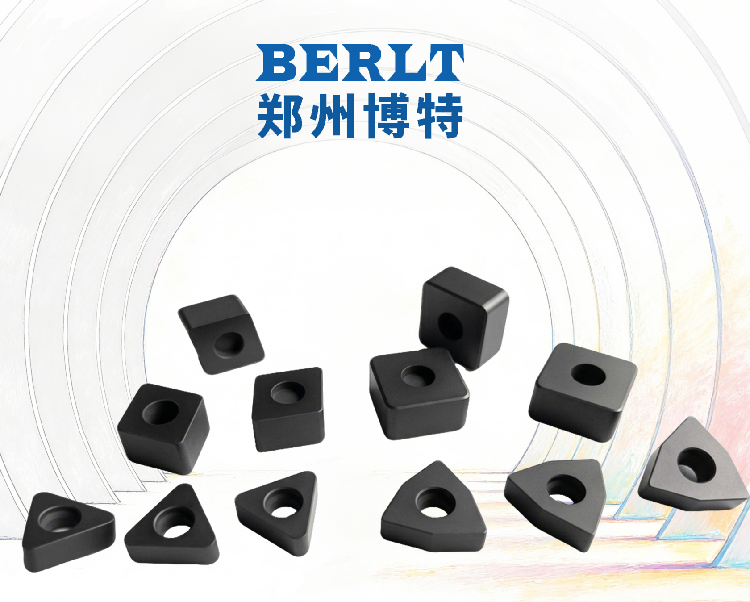
Main Applications of PCBN Inserts
Based on the superior properties mentioned above, cubic boron nitride inserts are widely used across several industrial sectors. Typical application areas include hard material machining, high-speed cutting, difficult-to-machine material machining, and precision machining and mirror finishing.
·Hard Material Machining. Hard material machining typically refers to the cutting of materials with high hardness, such as hardened steel, chilled cast iron, and cold-work die steel. These materials often have a hardness exceeding HRC45, posing challenges for traditional tools. PCBN inserts, with their ultra-high hardness and thermal stability, can effectively address these machining challenges. Using PCBN inserts for hard turning of hardened steel (i.e., replacing grinding with turning directly after heat treatment) allows rough and finish machining to be completed in a single setup, significantly improving efficiency and accuracy.
·High-Speed Cutting. High-speed cutting involves machining at high cutting speeds and feed rates to enhance productivity and surface quality. Due to their excellent thermal stability and wear resistance, PCBN inserts are well-suited for high-speed cutting applications. Under high-speed cutting conditions, CBN tools can withstand high temperatures without rapid wear, enabling the use of higher cutting speeds (Vc) and feed rates (f).
·Machining of Difficult-to-Machine Materials. Difficult-to-machine materials are those with poor machinability that cause severe tool wear, such as high-hardness alloys and high-alloy cast irons. For example, high-alloy cast iron, containing substantial alloying elements, generates high cutting forces and rapid tool wear. PCBN inserts, leveraging their high hardness and wear resistance, can significantly extend tool life and reduce tool change frequency. Additionally, when machining chilled cast iron (characterized by a hard surface layer and softer interior), PCBN inserts maintain high cutting speeds while avoiding the chipping and wear commonly observed with cemented carbide tools, thereby improving machined surface quality.
·Precision Machining and Mirror Finishing. With increasing demands for machining accuracy and surface quality in manufacturing, precision machining and mirror finishing have become trends. Cubic boron nitride inserts are highly suitable for achieving high precision and high surface finish due to their low coefficient of friction and excellent thermal stability. In precision machining, CBN tools enable small feed rates and high cutting speeds, reducing cutting forces and thermal deformation, thus ensuring dimensional and form accuracy. For components requiring high surface hardness and excellent finish, CBN tools can also be used in ultra-precision cutting processes to achieve a mirror-like surface finish in a single pass, eliminating the need for subsequent polishing.