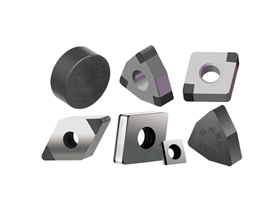
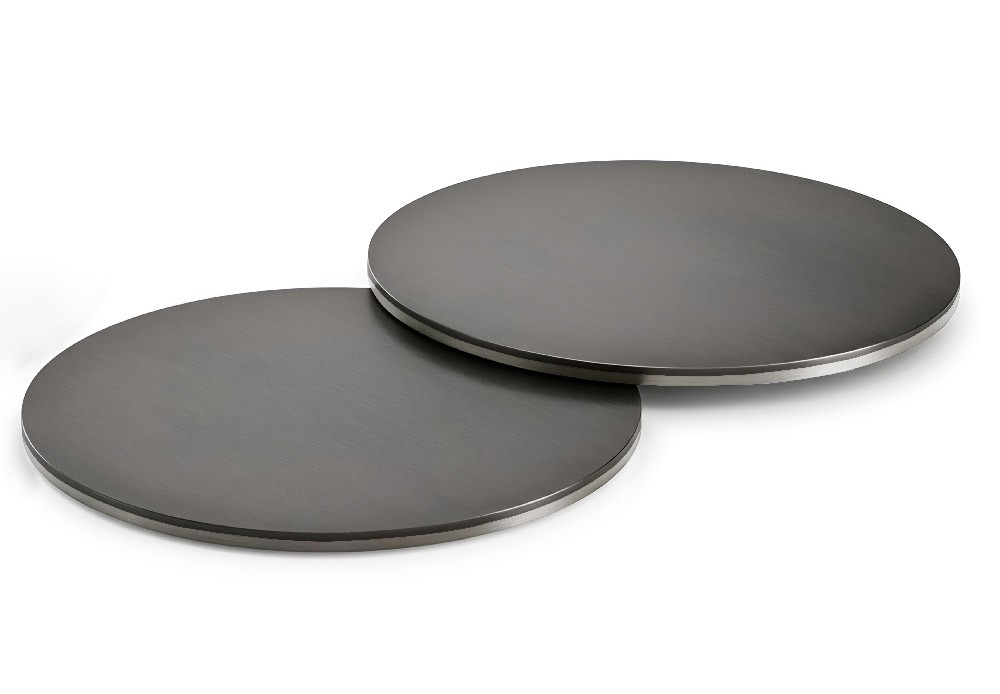
In the field of modern machining, PCBN (Polycrystalline Cubic Boron Nitride) tools have become essential tools for machining materials such as hardened steel, cast iron, and wear-resistant alloy cast iron, due to their ultra-high hardness, wear resistance, and high-temperature performance.
However, in actual production, many distributors and end-users often encounter a very practical issue when purchasing or using CBN inserts: with so many CBN tool grades available, how should one choose the right one?
Different grades of PCBN tools exhibit significant differences in material composition, CBN content, binder type, and microstructure, making them suitable for vastly different machining scenarios. If the grade selection is incorrect, not only will the tool life be significantly reduced, but issues such as chipping, abnormal wear, and low machining efficiency may also occur.
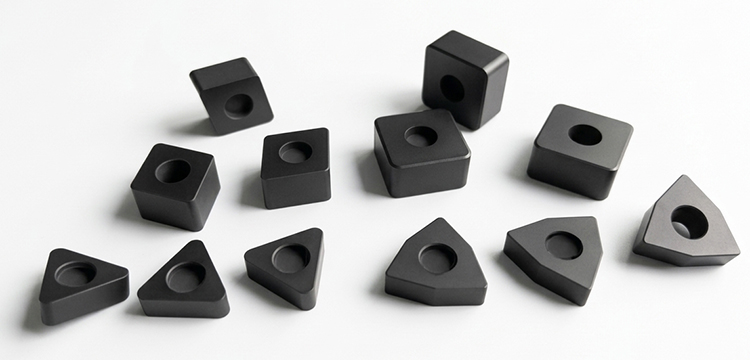
This article by Berlt CBN Inserts will systematically explain how to choose the right CBN tool grade, covering multiple aspects such as material characteristics, machining scenarios, grade classification, and common selection misconceptions.
1. What is a CBN Tool Grade?
The so-called CBN tool grade is essentially a performance classification system for CBN tool materials. Different grades of CBN inserts differ in key indicators such as CBN content, binder type, and grain size. Through combinations of different material structures, manufacturers develop PCBN tool grades suitable for various workpiece materials and working conditions.
Generally speaking, the difference in CBN tool grades essentially represents a balance between wear resistance and toughness. Higher wear resistance means relatively weaker impact resistance; higher toughness means slightly lower wear resistance. Therefore, when selecting a CBN insert grade, specific machining conditions must be considered.
2. Common Classification of CBN Tool Grades
From an industry application perspective, mainstream CBN tool grades can be broadly divided into two main types.
High CBN Content Grades: The CBN content in this type of CBN insert grade is typically between 75% and 95%. They feature extremely high wear resistance, excellent thermal stability, suitability for high-speed machining and continuous cutting, making them ideal for machining materials like gray cast iron, alloy cast iron, and ductile iron.
Medium CBN Content Grades: The CBN content in this type of CBN insert grade is usually between 55% and 70%. They offer a balance between wear resistance and toughness, making them suitable for machining materials like hardened steel and alloy steel.
3. Core Principles for Selecting CBN Tool Grades
In actual production, the selection of CBN tool grades must be centered around the machining conditions, including the workpiece material (cast iron, hard steel), machining method (continuous cutting, intermittent cutting), and machining stage (roughing, finishing).
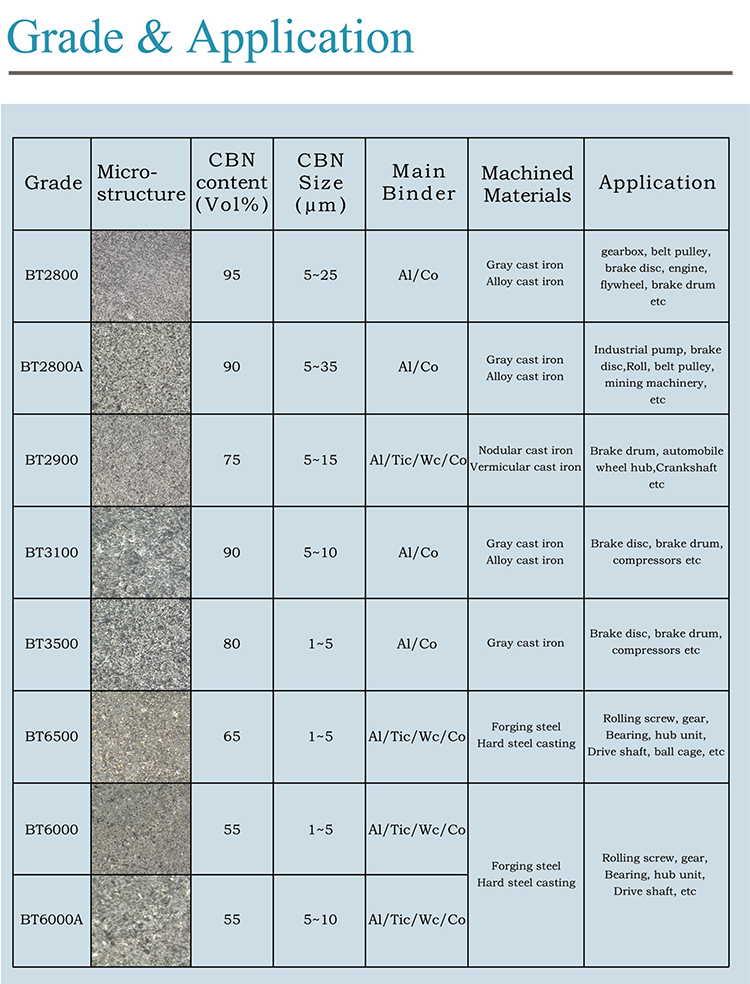
Common CBN grades used by Berlt Tool are shown in the figure below.
4. Common Misconceptions in CBN Tool Grade Selection
In practical applications, many users have some misunderstandings about CBN tool grades.
Misconception 1: Higher CBN content is always better.
This is not true. Higher CBN content means stronger wear resistance, but toughness is relatively reduced. In intermittent cutting or when machining hardened steel, high CBN content grades are actually more prone to chipping.
Misconception 2: One CBN tool grade can solve all problems.
Different materials and working conditions typically require combinations of different CBN tool grades. Reputable CBN tool manufacturers often establish their own CBN tool application databases, and users need to make reasonable choices based on their specific situations.
Misconception 3: Only look at the price, not the tool efficiency.
In actual machining, the cost of the CBN tool itself accounts for only a small part of the total machining cost. If tool efficiency improves, the overall cost will actually decrease.
Conclusion: The selection of a CBN tool grade is essentially a matter of engineering matching. Only by considering multiple factors such as the workpiece material, cutting method, process parameters, and workpiece structure can the performance advantages of a CBN insert be truly realized.