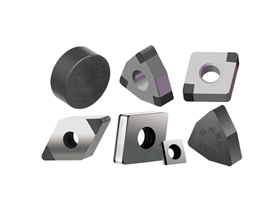
In the field of machining high-hardness materials such as hardened steel, bearing steel, high-chromium cast iron, and chilled cast iron, CBN tools have become a common type of superhard tool in CNC machining. Especially in scenarios such as turning instead of grinding, high-speed finishing, and machining highly wear-resistant materials, PCBN tools offer good wear resistance and thermal stability, and are therefore widely used in industries such as automotive, bearings, rolls, wind power, and engineering machinery.
However, in practical applications, many companies encounter issues when using CBN tools, such as large fluctuations in tool life, chipping during machining, unstable surface roughness, and insufficient stability in interrupted cutting.
These issues are often related to machining parameters, tool geometry, machine rigidity, and process matching. CBN tools have significantly different cutting characteristics compared to conventional carbide tools. Therefore, in CNC machining, it is necessary to establish a usage plan based on material properties and machining conditions.

I. Basic Characteristics of CBN Tools in CNC Machining
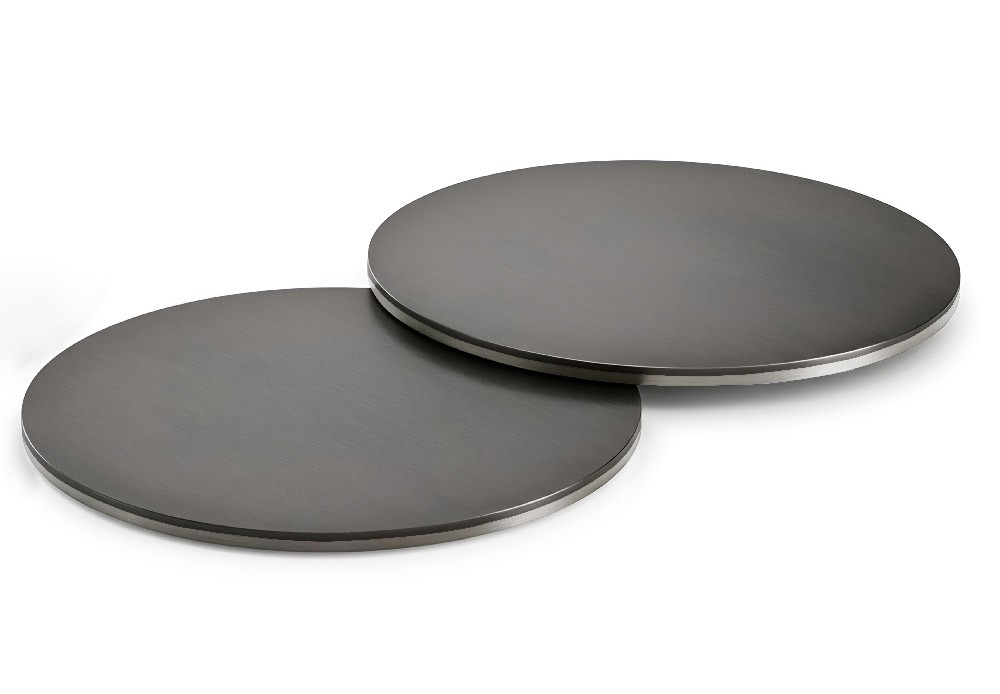
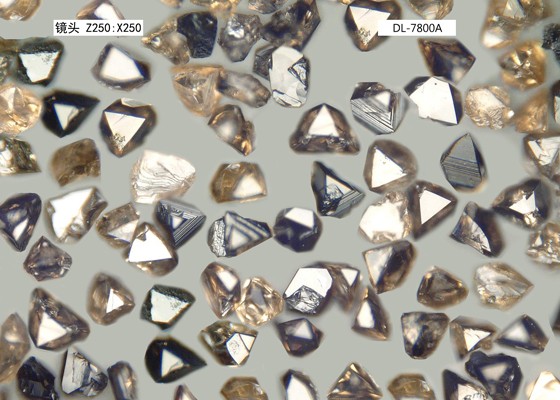
CBN (Cubic Boron Nitride) is a superhard material with hardness second only to diamond, offering high wear resistance, red hardness, and chemical stability. PCBN tools are polycrystalline composite materials formed by sintering CBN particles under high temperature and high pressure.
Compared with carbide, CBN tools are more suitable for machining materials such as hardened steel above HRC45, bearing steel, gray cast iron, high-chromium cast iron, and chilled cast iron. When machining high-hardness materials, PCBN tools can maintain a stable cutting state at relatively high cutting speeds, thus replacing some grinding processes in many scenarios.
However, CBN tools also have certain characteristics, such as high requirements for machine rigidity, sensitivity to impact loads, unsuitability for machining environments with large parameter fluctuations, and stricter requirements for interrupted cutting conditions. Therefore, in practical applications, it is necessary to select the appropriate tool grade and machining parameters according to the machining method.
II. Rational Selection of Cutting Parameters
Cutting parameters have a significant impact on the tool life and machining stability of CBN tools. Different workpiece materials, hardness levels, and machining methods have different requirements for cutting speed, feed rate, and depth of cut.
1. Cutting Speed Selection. CBN tools are typically suitable for medium to high-speed cutting. When machining hardened steel, if the cutting speed is too low, the cutting zone is dominated by friction and extrusion, leading to unstable local temperature at the tool tip, which in turn affects tool life and surface quality. Properly increasing the cutting speed helps improve cutting stability, enhance workpiece surface roughness, reduce built-up edge and friction, and increase machining efficiency.
2. Feed Rate Control. The feed rate directly affects cutting load and surface roughness. In finishing, a relatively small feed rate is usually adopted to achieve better surface quality; in roughing, it is necessary to balance efficiency and tool load capacity. In actual machining, the feed rate should be comprehensively matched based on workpiece hardness, tool nose radius, tool geometry, and stock allowance.
3. Depth of Cut Setting. CBN tools are generally more suitable for stable stock removal. When the depth of cut is too small, a "rubbing" phenomenon may occur; when the depth of cut is too large, cutting impact and thermal load increase. Especially when machining workpieces with hard skin layers, oxide layers, or uneven stock allowance, special attention should be paid to the effect of depth of cut variations on tool life.
III. Importance of Machine Rigidity for CBN Machining
CBN tools have high requirements for the stability of the machine tool system. In practical machining, many instances of abnormal tool wear or chipping are not entirely due to the tool itself, but are related to the overall state of the machining system. Issues such as spindle vibration, insecure workpiece clamping, excessive tool overhang, and workpiece runout can all affect the stability of CBN tools.
Due to the high hardness of PCBN tool material and its lower toughness compared to some carbides, it is more sensitive to impact loads. During machining, intermittent impacts, machine vibrations, frequent parameter fluctuations, and unstable clamping should be minimized as much as possible. For large workpieces or long shaft-type parts, special attention should also be paid to the workpiece support method.
IV. Precautions for Use in Interrupted Cutting
Many CBN tools are used in interrupted cutting scenarios such as keyways, holes, and cross-sections. In such conditions, the tool is subjected to periodic impacts, thus requiring higher performance from the tool geometry and grade.
In interrupted cutting, special attention is typically needed to tool tip strength, edge preparation methods, negative chamfer design, and tool nose radius. For heavy interrupted cutting, a PCBN grade with better toughness is generally preferred.
V. Selection of Cooling Method
CBN tools are often used in dry cutting or minimum quantity lubrication (MQL) machining in many scenarios. This is because under high-temperature cutting conditions, if coolant intermittently acts on the tool tip area, it can easily cause thermal shock, leading to thermal cracks in the tool. Therefore, CBN tools are more suitable for dry cutting. If wet cutting is necessary, care should be taken to maintain a stable cooling condition and avoid frequent alternating hot and cold cycles.
Berlt CBN Cutting Tools reminds you that CBN tools offer good application advantages in CNC machining of high-hardness materials, but their machining performance is closely related to tool geometry, machine condition, and process conditions. In practical applications, comprehensive adjustments should be made based on workpiece material, machining method, and equipment conditions. Only on the basis of overall process matching can the performance advantages of PCBN tools in machining high-hardness materials be more stably realized.