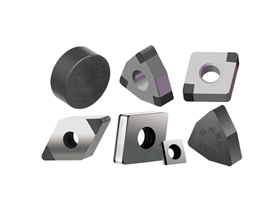
In the field of metal machining, cast iron and hardened steel are two common difficult-to-machine materials. When using traditional carbide tools for machining, severe wear, chipping, or even an inability to cut often occur.
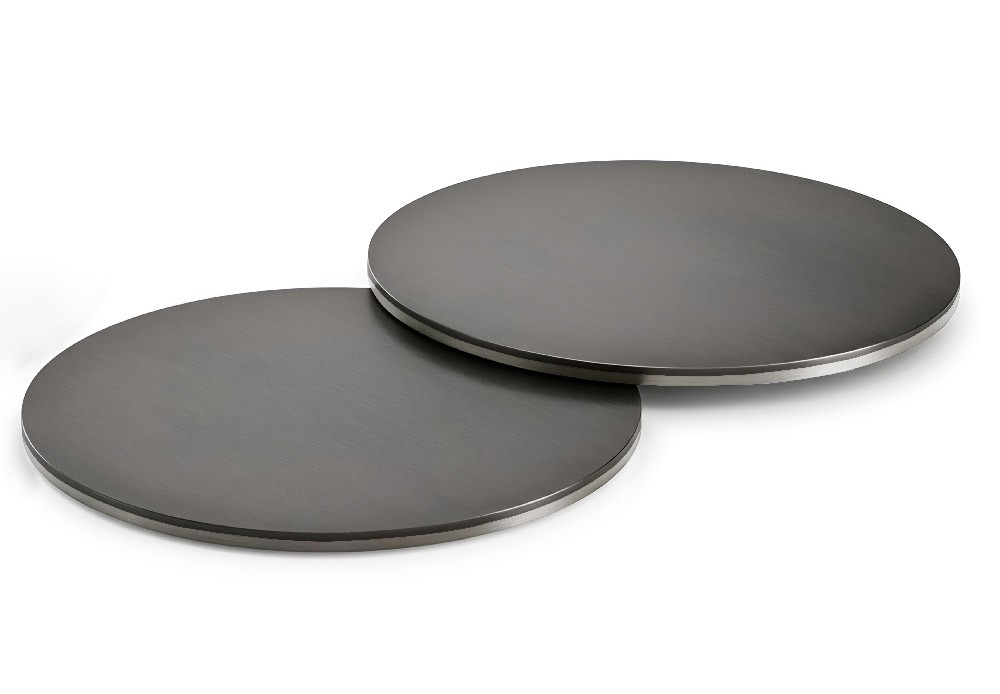
The emergence of PCBN (Polycrystalline Cubic Boron Nitride) inserts has completely changed this landscape. This artificially synthesized superhard material, with its unique physical and chemical properties, has become the ideal choice for machining high-hardness ferrous metals.
I. Material Properties: Exceptional Hardness and Stability
The microhardness of PCBN inserts reaches 8000-9000 HV, second only to diamond, yet it possesses the chemical stability that diamond lacks. At high temperatures up to 1200°C, PCBN inserts can maintain chemical inertness and do not react with ferrous metals, which is the key to their ability to cut difficult-to-machine materials like cast iron and quenched steel.
Furthermore, the thermal conductivity coefficient of PCBN inserts is 3-6 times that of cemented carbide, allowing for rapid dissipation of cutting heat and avoiding thermal damage to the tool. More uniquely, the friction coefficient of PCBN is only 0.1-0.3, significantly lower than the 0.4-0.6 of cemented carbide, which directly reduces cutting force and surface roughness.
II. Cast Iron Machining: Comprehensive Coverage from Gray Iron to Wear-Resistant Cast Iron
Within the cast iron family, the flake graphite structure of gray cast iron easily causes tool chipping, while wear-resistant alloy cast iron exacerbates tool wear due to its high content of hard carbide phases.
Berlt Tools has developed PCBN tool material grades such as the BTS2800 series and BT3800 series specifically for cast iron parts. These grades balance the toughness and wear resistance of the tool, preventing chipping and fracturing, meeting the demands of heavy-duty machining, and finding wide applications in fields like rollers, industrial pumps, and automotive brake discs.
III. Hard Steel Cutting: Realizing the Technological Revolution of "Turning Replaces Grinding"
When steel hardness exceeds 50 HRC, traditional machining can only rely on grinding. PCBN inserts break this limitation through a unique "metal softening effect": The cutting zone generates temperatures of 800-1000°C, reducing the surface hardness of the workpiece by 20%-30%. At this point, the cutting force is actually lower than in traditional machining, and the machined surface roughness can achieve Ra0.8 or below, completely replacing the grinding process.
Berlt Tools has developed PCBN tool material grades such as the BTS6000 series and BTS6500 series specifically for quenched steel parts. While ensuring high hardness, strength, and wear resistance, these grades improve the impact resistance toughness of PCBN tools, meeting the demands of strong intermittent cutting for workpieces. This makes machining quenched steel parts no longer a challenge, with widespread applications in industries such as bearings, gears, and mining machinery.
IV. Process Parameters: Scientific Matching for Optimal Results
For different materials, PCBN inserts require precise parameter matching. When machining gray cast iron, cutting speeds can reach 400–1000 m/min, while wear-resistant alloy cast iron requires a reduction to 70–150 m/min. The cutting speed for quenched steel varies with the specific workpiece material. For common quenched steels within HRC 62-85, cutting speeds are generally around 80–150 m/min.
V. Market Validation: Application Scenarios and Industry Value
The outstanding performance of PCBN inserts has led to their widespread application across various industrial sectors. In the automotive manufacturing industry, they are used to machine cast iron components like brake drums/discs, engine blocks, and cylinder heads. In the mold industry, they can efficiently cut quenched mold steel and rollers. In the wind power field, they are used to machine high-strength bearing steel components. These applications not only improve machining efficiency but also significantly enhance the machining accuracy and surface quality of parts.
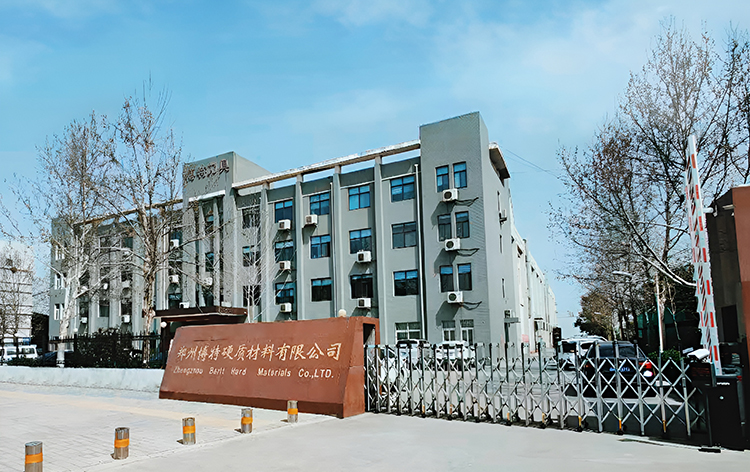
Zhengzhou Berlt CBN Inserts, as a pioneer in China's PCBN inserts industry, operates one of the country's largest CBN inserts production bases. Its products cover over 90% of the domestic market for hard and heavy-duty machining, with an annual production exceeding 6 million CBN inserts. Through continuous R&D on CBN raw materials and summarization of on-site machining experience, Berlt has developed specific CBN inserts grades suitable for turning different material properties based on their characteristics, meeting diverse machining objectives and requirements.